
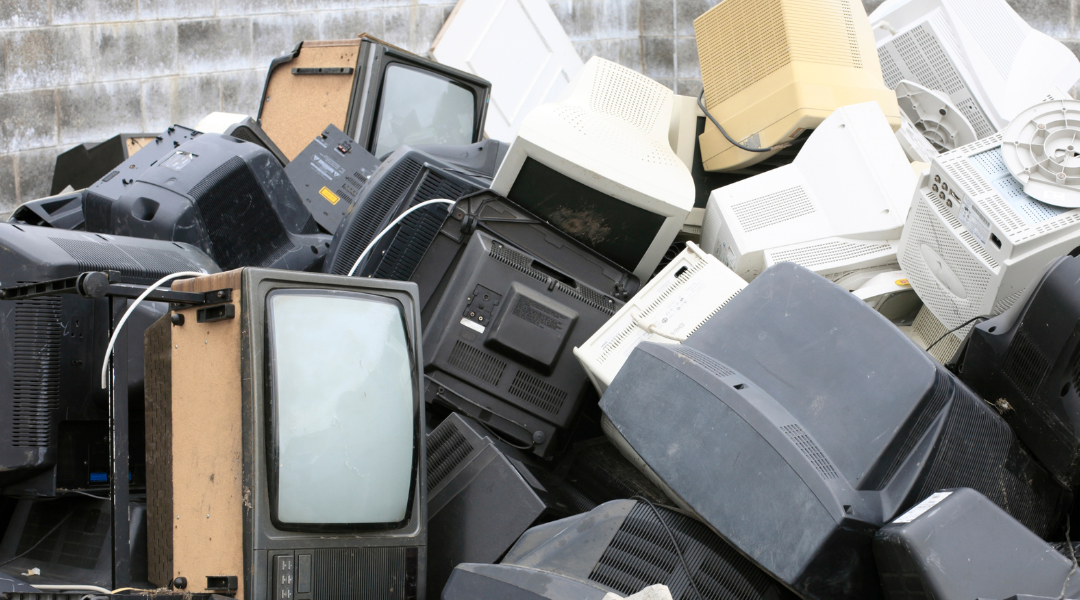
With the pace of technology innovation and upgrade cycles , many households plus enterprise facilities now need to responsibly replace outdated, inefficient television equipment on average every 5-7 years. However simply throwing defunct TVs out with the regular rubbish or stacking them in a forgotten storage room maximises risks of environmental contamination or accidents.
Due to their bulky physical size paired with glass display screens and internal components containing an array of complex hazardous chemical substances, end-of-life cathode ray tube and flat panel display televisions cannot be ethically landfilled alongside standard waste without consequences.
Responsibly disposing of older television sepsis extremely important. Here at Skip Hire Towcester, we can provide a comprehensive waste removal service to help you deal with any non-hazardous waste you need to dispose of.
How to Dispose of Older Television Sets?
Understanding that obsolete domestic and commercial televisions represent hazardous electronic waste requiring careful processing, contacting your closest municipal household waste recycling centre or community recycling partnership to ask whether they currently accept old TV sets and other electrical items is strongly recommended before contemplating other disposal ideas.
The majority now provide dedicated electrical waste drop-off points like sealed container skips specifically for the safe containment of e-waste ahead of council-organised recycling collection rounds. Some local tips may conversely insist on pre-booking TV delivery slots so their staff can prepare safely. Honour any restrictions applied at such sites since safety remains the priority.
Beyond council initiatives, various independent electrical waste recycling organisations also accept obsolete domestic and commercial TVs on behalf of their partnered consumer technology manufacturers needing to satisfy European WEEE Scheme targets through the ethical recycling of specified annual tonnages.
Charitable propositions like British Heart Foundation electrical stores also continue appealing for TV donations – with any usable display models sold to support their cause while unrepairable sets get directed to approved WEEE dismantling facilities they work alongside rather than landfill.
Are There Any Hazardous Substances In Modern Television?
While providing great entertainment services during functional lifespans, internally the mix of essential components making up modern flatscreen and decades old cathode ray tube televisions alarmingly includes:
- Toxic heavy metals like lead and cadmium often spread throughout the glass found in older CRT tubes and cone shapes that focused display rays. If shattered through human error or equipment failure, soil and water course contamination poses a huge risk.
- Bioaccumulative mercury frequently employed throughout power switches plus the phosphor coatings necessary to stimulate light particle emissions directed towards screens. Capital precautions are required during disassembly so no worker exposure through accidental dust inhalation.
- Worrying amounts of organometallic high ignition temperature flame retardants and plasticisers like PBDEs mandated within external TV casing plastics for safety compliance. But very hazardous when neglected sets weather externally or getfly-tipped then cracked releasing chemicals.
- Potent sulphur hexafluoride and similar inert insulation gases pressed into panel gaps deterring electrical arcing between close proximity electronics. But extremely powerful greenhouse warming agents if allowed to enter earth’s atmosphere through ignorance. Zero venting before purification reclamation.
With such substances requiring specialist extraction and treatment procedures conducted by licensed professionals, attempts to dispose of obsolete televisions through general waste routes rightfully faces massive fines now surveillance infrastructure can catch dumping offenders for prosecution.
Tips on Disposing Television Sets Yourself
Where local authority electrical waste drop-off locations get fully utilised by genuine recycling attempts, waste TV transportation done responsibly covers:
- Manual Handling Care – Obtain lifting assistance plus padded strap supports wherever possible when needing to manually move large awkward flatscreen models exceeding personal recommend weight thresholds. Prevent strains plus dropped set smashages.
- Vehicle Protection – Cover seats appropriately plus avoid stacking waste units to minimise glass screen contact against vehicle bodywork causing nasty scratches or friction cracks en-route to recycling centres. Delayed minor damage still risks major containment breaches.
- Load Securing – Individual tie-downs plus anti-collision support braces remain vital for securing multiple collected units during any transit movements. High G-forces or emergency braking could topple unsecured products.
- Care Over Kerbs – Gently load/unload vehicles when moving end-of-life TVs across pavements or gravel drives. Hidden snags can crack glass sides or bases. Avoid awful spill scenarios through patience.
While not recommended, transporting smaller TVs using household vehicles only complies with regulations if you follow stringent duty of care protocols like those above. Else burning, burying or illegal dumping ensures heavy prosecution when caught. Contact us to remove large batches properly.
Why TV Recycling Matters
Beyond satisfying environmental regulator demands throughout each stage of the TV lifecycle, expertly dismantling then reprocessing obsolete units through approved WEEE recycling channels delivers multiple wider sustainability benefits over waste deposition:
- Supports the Circular Economy – With around 90% of TV set materials like metals, plastics and glass classes able to re-enter manufacturing processes benefiting new UK electronics production rather than getting discarded, the investment into local specialist recycling creates domestic jobs while closing resource loops. Reuse over disposal always prevails through aggregate actions.
- Pollutants Are Locked Away – Unlike cracked open landfill fly-tipped units leaking heavy metals or insulation gases into unchecked soil and water tables surrounding residential areas, regulated TV recycling allows the safe containment and purification of hazardous contents before redistribution to other essential industry sectors, preventing unnecessary ecological damage and health consequences. There are no shortcuts.
- Cutting Carbon Emissions – Rightfully recycling end-of-life TVs as legally required consumes vastly lower energy inputs and transports fewer materials over reduced distances versus using newly extracted ores or drilled oil resources to create the dozens of virgin substances needed to manufacture replacement display devices. Each set handled sustainably cuts CO2e outputs.
For Specialist Waste Removal & Disposals, Call Skip Hire Towcester Today
For rapid compliant carbon neutral removal of extensive obsolete television hardware from rental premises, storage sites or old retail locations containing worrying volumes of hazardous electronic waste, speak to our skip hire professionals today on 01327 123456!
Recent Comments