
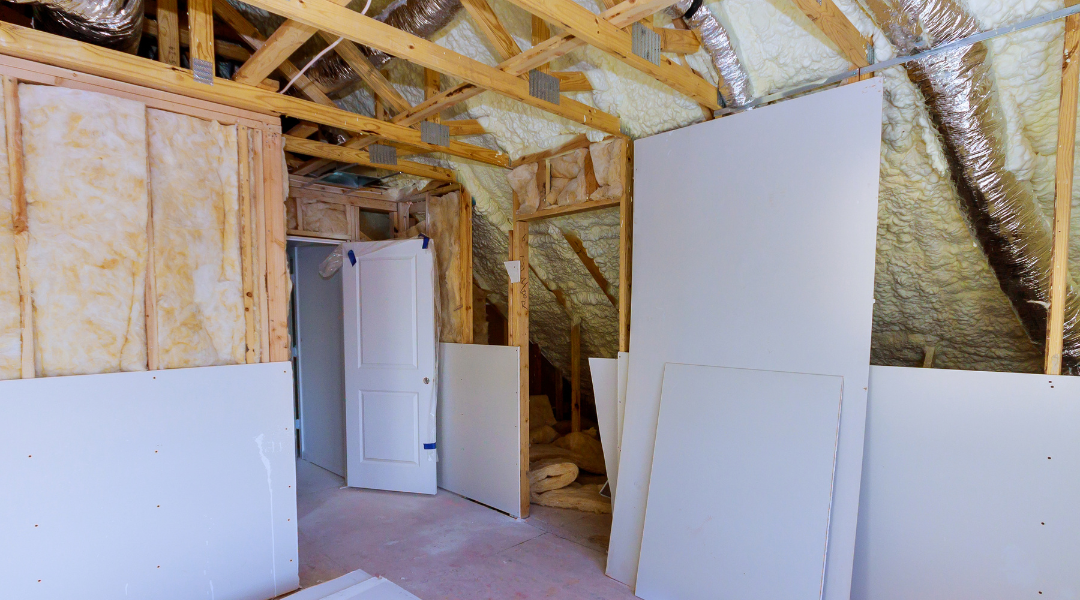
For both residential and commercial premises undergoing building renovations, extensions or demolitions, effectively dealing with the significant volumes of waste plasterboard generated poses an awkward sustainability challenge.
While convenient and high performing within construction, end-of-life plasterboard sheets unfortunately cannot simply be thrown into standard skip hire units or general rubbish dumps.
When damaged and broken, waste plasterboard produces extremely fine powdery dust containing potentially harmful gypsum and silica compounds which pose well-documented respiratory health dangers.
As the leading provider of Skip Hire in Towcester, we can help you to deal with all manner of plasterboard.
Why Does Careful Plasterboard Waste Disposal Matter?
To prevent hazardous plasterboard dust and particles entering local authority landfill sites following dumping, or being illegally fly-tipped into nearby forests, fields and waterways, stringent government legislation exists mandating responsible gypsum waste disposal. Regulations like the Hazardous Waste Directive and more localised public health acts require formal records, waste transfer systems and recycling proof before plasterboard waste can change hands between parties.
Following best practice disposal procedure matters because:
- Inhalation of airborne plasterboard dust containing silica and gypsum raises risks of developing dangerous respiratory conditions like silicosis in those regularly exposed without protection. It poses a definite occupational health hazard.
- Chemicals leaching from bulk plasterboard waste can contaminate soil and watercourses with consequences for wildlife and public drinking water if the waste enters landfill or uncontrolled dumping sites. It must be securely contained.
- Rogue waste plasterboard dumps inevitably require local taxpayer-funded council clean-up operations, which come at a high cost if happening recurrently. Preventing irresponsible fly-tipping saves public money.
Where to Dispose of Pasteboard Locally:
To offer residents and tradespeople sound options for offloading redundant plasterboard without turning to illegal fly-tipping or more reckless general skip hires, many councils now offer dedicated plasterboard collection containers and drop-off points at their household waste recycling centres or trade waste management depots.
Upon arrival the loads undergo stringent checks and paperwork processing to verify origins. Collected waste gets dispatched for specialist recycling; where 90%+ of standard plasterboard gets reconstituted for reuse of raw materials like gypsum and plaster. Plasters containing more hazardous or non-recyclable components follow registered disposal routes.
Before visiting such community recycling facilities, always contact your closest sites to check current restrictions, pre-booking requirements and potential skip or volume-based fee structures.
Tradespeople with large or frequent plasterboard jobs may need to register a formal waste disposal agreement with the council to use certain depots. Permits and compliance paperwork ensures tracing for environmental audits.
How to Safely Dispose of Plasterboard:
For residential households personally delivering smaller volumes of waste plasterboard to legitimate disposal sites, following basic safety recommendations can prevent avoidable environmental risks:
- Careful loading/unloading – Pragmatically considering how to transfer redundant plasterboard sheets and fragments without further damaging them is crucial for minimising dust issues during transport. Ragged, poorly stacked items risk further fracturing. Plan movements.
- Load securing – All plasterboard waste payloads must remain firmly secured during transit to stop dangerous high speed spillages or road debris potentially causing accidents if sizes/weights exceed car roof load limits. Individually tying down sheets for stability is vital.
- Respiratory & skin protection – Donning basic PPE like dust masks, gloves and overalls when no choice but directly handling waste plasterboard provides important exposure control until you can shower and change clothes afterwards. Consider your own health too.
- Covered vehicle use – Suitable enclosed vans or vehicles fitted with sheeting must be used rather than open flatbed pickups. Containing dust is paramount where such large particulate clouds could negatively impact other road users due to wind whipping and vehicle slipstreaming..
- Post-delivery interior cleaning – After unloading waste plasterboard, thoroughly wipe down van load bays before ventilation and cleaning yourself to prevent any residue transfer and continuation of extra exposure. Responsible containment shouldn’t end immediately after getting rid of current waste items. Consider the next vehicle users too.
Lockable Skips for Plasterboard Removals
Where jobs will generate significant volumes of plasterboard waste requiring frequent removal or longer term accumulation before final recycling, Skip Hire Towcester offers businesses and homeowners robust reliable enclosed lockable skips specifically designed to facilitate safer storage and transportation of this particularly troublesome waste stream, with key advantages being:
Secure steel containment
Steel containers prevent leakage or billowing of hazardous dust particles into the surrounding environment whilst filled skips remain static onsite or are being moved to waste sites. Labourers can load without inhaling clouds.
Specialised internal skip linings
These specialist skip linings provide further stability, protection and sealing. Absorbent covers actively containment residue during transit without tarp tears resulting in immediate road debris. Our expert partners can responsibly process heavily contaminated units.
Recycling not landfill
Unlike some rivals, our plasterboard waste streams get handled by accredited reprocessors capable of sustainably redirecting key constituent elements like gypsum back into the construction material production cycle again. We don’t allow quick disposal shortcuts.
Over two decades serving Northamptonshire has allowed Skip Hire Towcester to cultivate trusted supply chain contacts offering the best local compliance assurances and environmental credentials at competitive prices. Our lockable skips provide regulatory confidence regarding generated waste plasterboard streams.
The Severe Impacts of Fly-Tipping Plasterboard
Given the logistical headaches surrounding responsible disposal – not least transporting fragile bulky waste to appropriate facilities – waste plasterboard unfortunately remains prone to illegal dumping by rogue traders or unlicensed operators seeking to dodge taxes, pay lower landfill gate fees and skip necessary paperwork. Consequences of such shameful fly-tipping include:
Natural contamination
Release of hazardous dusts, loose particles and chemicals entering watercourses or woodlands leading to ecological damage, livestock health issues or compromised natural habitats. Remediation costs fall to authorities if traceability fails.
Public funding burden
From cleansing fly-tip sites, managing displaced vermin, safely removing and rehousing contaminated topsoil through to relandscaping areas, plasterboard dumping significantly burdensalready stretched local council budgets. Less funding for community resources.
Just desserts
Rogues repeatedly attempting to fly-tip building waste without consequence inevitably get caught once CCTV and ANPR camera systems capture recognisable branding or vehicle registrations. Convicted plasterboard dumpers face big court fines and potential imprisonment for worst cases showing total negligence towards environmental impacts.
As respected Northamptonshire waste carriers, Skip Hire Towcester has a zero tolerance policy towards any client suggesting or attempting such clearly illegal plasterboard disposal routes. We’ll actively investigate and support authorities securing prosecutions where substantial evidence exists. Rogue competitors damage our region’s reputation.
How to Arrange Fully Compliant Plasterboard Collections:
To arrange fully compliant, professionally managed plasterboard waste removal from your upcoming residential renovation or commercial demolition project in a prompt affordable manner, please contact our friendly expert team at Skip Hire Towcester to explore options like:
On-Site Waste Audits
Gaining perspective on expected volumes and site logistics helps tailor suitable plasterboard containment provisions with costs split over the full job. Early engagement aids planning and compliance.
Bespoke Quotes
Each unique location and project faces varying needs, constraints and budgets. Accurately quantifying costs for appropriate removal methods like enclosed specialist skips or managed aggregations taps our experience.
End-to-End Solutions
As well as skip provisions directly, we can project manage your entire waste scope. Stream separation, progress clearances according to work phases, regulatory documentation, destination traceability and even potential recycling offset values can all be defined according to your risk appetite. A fully outsourced waste function offers peace of mind regarding Duty of Care risks.
For Trusted Waste Collection & Removals, Call Skip Hire Towcester Today
Call us today on 01327 123456. Early discussions allow collaboration to achieve workable responsible plasterboard disposal strategies. Protect yourself legally while supporting local sustainability.
Recent Comments